Signs It's Time to Replace Your Gutters and What to Look For
Gutters play a crucial role in protecting your home from water damage by directing rainwater away from your foundation. Over time, gutters wear down and may fail to do their job effectively. Knowing when to replace your gutters can save you from costly repairs and maintain your home's structural integrity. This post will help you identify the key signs that indicate it’s time for gutter replacement and what to look for during the process.
Common Signs That Your Gutters Need Replacement
1. Visible Corrosion and Rusted Gutters
One of the most obvious signs that your gutters need replacing is the presence of corrosion or rust. Over time, metal gutters can develop rust spots that weaken the structure. Rusted gutters often have holes or thin spots that cause leaks, reducing their ability to channel water properly.
If you notice rust spreading across large sections of your gutters, it’s a clear indication that the metal is deteriorating and will soon fail. Rusted gutters not only leak but can also stain your home's exterior walls.
2. Pin Holes and Leaks
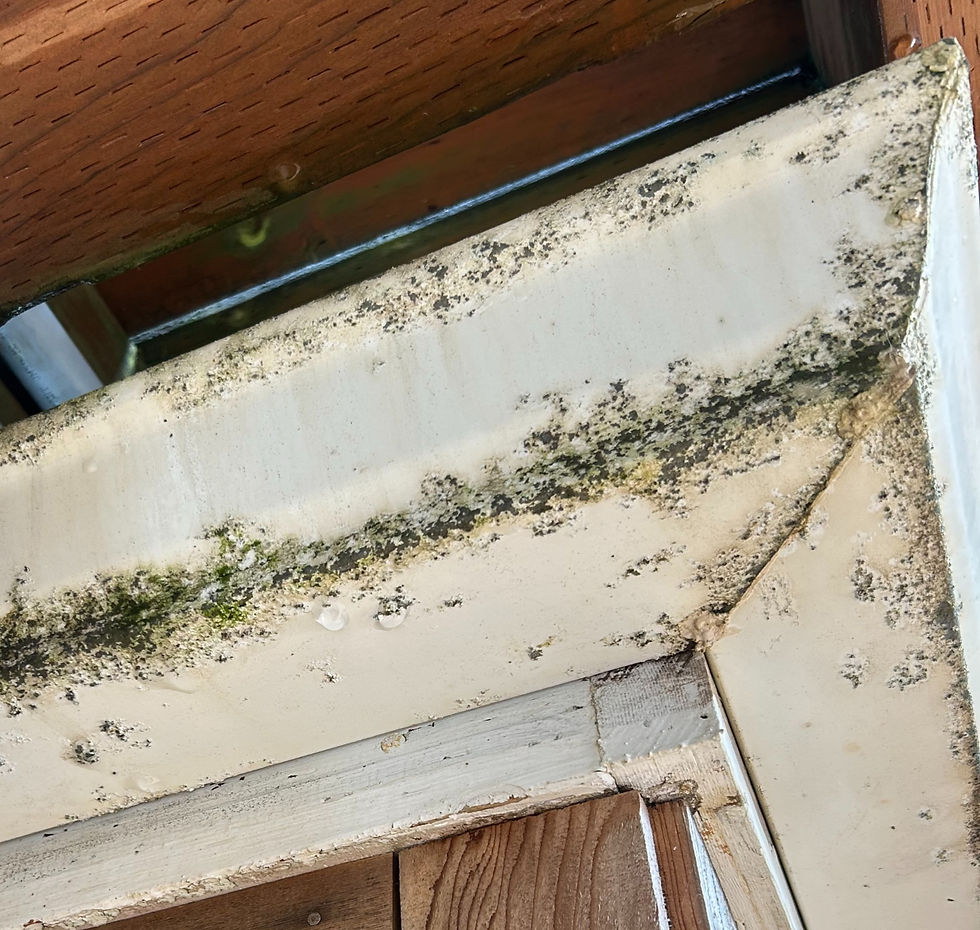
Small pin holes may seem insignificant at first, but they can cause water to drip in unwanted areas, leading to damage on your siding, fascia, or foundation. These tiny holes often appear in older gutters or those exposed to harsh weather conditions.
While minor holes can sometimes be patched, widespread pin holes mean the gutter material has weakened. This is a good time to consider gutter replacement rather than repeated repairs.
3. Sagging Gutters
Gutters that sag or pull away from the house indicate structural problems. Sagging gutters often result from clogged debris, but if cleaning doesn’t fix the issue, the gutters may have lost their strength due to rust or damage.
Sagging gutters can cause water to pool and overflow, damaging your home’s foundation and landscaping. If you notice sections of your gutters hanging lower than others or pulling away from the roofline, it’s time to inspect them closely.
4. Frequent Overflow and Water Damage
If water frequently overflows from your gutters during rain, it could mean your gutters are clogged, improperly pitched, or too small for your roof’s drainage needs. While cleaning might solve clogs, persistent overflow suggests the gutters are no longer functioning well.
Overflowing water can damage your home's foundation, basement, and landscaping. In some cases, gutter reconfiguration or replacement with larger gutters is necessary to handle water flow effectively.
5. Cracks and Splits in Gutters
Cracks or splits in gutters allow water to escape before it reaches the downspouts. These breaks often occur in older gutters made from vinyl or aluminum, especially after exposure to extreme temperatures.
Small cracks can sometimes be sealed, but if you find multiple cracks or large splits, replacement is the safer option to avoid ongoing water damage.
What to Look For When Choosing New Gutters
Material Durability
When replacing gutters, consider materials that resist corrosion and rust. Aluminum gutters are popular because they resist rust and are lightweight. Copper gutters offer excellent durability and a unique look but come at a higher cost. Steel gutters are strong but prone to rust if not properly coated.
Proper Size and Pitch
Choose gutters sized to handle your roof’s water flow. Oversized gutters reduce overflow risk, while proper pitch ensures water flows smoothly to downspouts. A professional can help with gutter reconfiguration to optimize drainage.
Seamless vs. Sectional Gutters
Seamless gutters reduce leaks because they have fewer joints. Sectional gutters are easier to install and repair but may develop leaks at the seams over time. Consider seamless gutters for long-term durability.
Maintenance Needs
Look for gutters with features that reduce maintenance, such as built-in guards to prevent debris buildup. Regular cleaning extends gutter life and prevents sagging or overflow.
When to Consider Gutter Reconfiguration
Sometimes, replacing gutters is not just about swapping old for new but improving the entire system. If your home has experienced changes like added extensions or landscaping that affects water flow, gutter reconfiguration may be necessary.
Reconfiguring gutters can involve:
Adding more downspouts to improve drainage
Changing gutter size to handle increased water volume
Adjusting gutter pitch for better flow
This approach ensures your new gutters work efficiently and protect your home better.
Final Thoughts on Gutter Replacement
Ignoring signs like rusted gutters, sagging sections, or pin holes can lead to serious water damage and costly repairs. Regular inspections help catch problems early. When you see multiple warning signs, it’s time to plan for gutter replacement.
Choosing the right material, size, and configuration will extend the life of your gutters and protect your home for years. Don’t wait for leaks or overflow to cause damage—take action to maintain a strong, effective gutter system.


Comments